
9 hr
La Parguera Glowing Bio Bay Boat Tour from San Juan
Sail into a secluded Puerto Rico bay and watch the water glow with bioluminescent light.
Reserve
Hand-picked by our editors — only the best 5 experiences from 60 reviewed.
Verified partners for every tour, free cancellation where available, and instant confirmation on every booking.
9 hr
Sail into a secluded Puerto Rico bay and watch the water glow with bioluminescent light.
Reserve
5 hr
Paddle by night through glowing mangrove waters at Puerto Rico's famous Laguna Grande bay.
Reserve
5 hr
Kayak by night through mangrove channels to see glowing plankton light up Laguna Grande.
ReservePrices from verified partners. Availability updates in real time at checkout. Free cancellation policies apply where shown.
The landmarks, rooms, and views travelers on this tour remember — all visible on a single visit.
This narrow mangrove corridor is the signature approach to the glow water. The channel creates a quiet, enclosed route before the water opens into the luminous lagoon, and the guide-led entry is part of why the experience feels secluded.
They complement each other, but most visitors who compare a San Juan bio-bay outing say Laguna Grande is the easier approach from San Juan, while the La Parguera Glowing Bio Bay Boat Tour from San Juan feels more like a boat-first south-coast excursion. If you want a closer, mangrove-channel paddle, choose Laguna Grande; if you want a boat ride and the chance to swim, La Parguera fits better.
| Feature | Top pick Laguna Grande | La Parguera Boat Tour |
|---|---|---|
What you approach |
Mangrove canal into lagoon | Open-water glowing bay |
How you get there |
Kayak or small boat | Boat from shore |
How wet you get |
Light splash, paddling wet | Boat deck, possible swim |
Duration |
About 2–3 hours | About 2–3 hours |
From-San-Juan logistics |
About 1 hour from San Juan | About 2 hours from San Juan |
Bio-bay setting |
Narrow canal, enclosed lagoon | Wider bay, south-coast setting |
| See tickets → |
Verdict: Choose Laguna Grande for the simpler San Juan overnight trip and mangrove-channel atmosphere, or La Parguera for a farther drive, a boat-centered ride, and a more open bay setting.
Choose your ticket, select your date, and reserve in under two minutes. Secure checkout handled by our verified partner.
Instant confirmation by email, with a mobile voucher you can save offline. No printing, no queuing at a collection desk.
Arrive at the entrance, show your voucher on your phone, and walk in. Most tickets include priority or skip-the-line access.
Practical details for your visit straight from our verified partners — hours, access, rules, and how to get there.
Wear quick-dry clothing and water-friendly shoes for the kayak channel and dock areas. A light layer helps after dark because evenings in Fajardo can feel cooler on the water.
Expect basic bag checks only if your selected operator uses them; the natural reserve itself is a low-infrastructure outdoor site. Keep valuables in a small waterproof pouch because paddling and wet launch points are common on a la parguera bioluminescent bay tour from san juan style excursion.
Low-light photography is difficult because the glow is best on moonless nights and the tour takes place after dark. Use a waterproof phone case or dry bag, and avoid bright flash if your guide asks for darkness to preserve visibility.
Laguna Grande is reached by boat or kayak tour, so mobility support is limited compared with a standard sidewalk attraction. The launch area, canal paddling, and nighttime conditions make this a challenging outing for wheelchair users or guests who need stable flat-ground access.
Phones should be kept in airplane mode or low-brightness mode once the tour starts so the screen does not wash out the night view. A charged phone is still useful for maps, pickup coordination, and emergency contact.
This is an evening outdoor activity, so families should plan for a late return and active paddling or boat boarding. Some operators accept children, but family suitability depends on the specific tour vehicle and age rules in the live inventory.
Bring water and a small snack before departure; the bio bay itself is not a dining area. Alcohol and messy foods are poor choices on a dark-water excursion because you need both hands for boarding and paddling.
Pets are generally a poor fit for a night kayak or boat excursion through mangroves and narrow channels. Check the operator’s live rules before booking, since most tours prioritize safety and quiet conditions over animal companions.
Laguna Grande is technically a lagoon rather than a bay, even though many visitors search for a la parguera bioluminescent bay tour from san juan. The glow comes from dinoflagellates reacting to movement, and the darkest conditions usually produce the clearest effect.
Best time to go, insider tips, nearby landmarks, and the cancellation fine print — flip through to skim what matters to you.
Flexible, no hidden fees.
Cancellation terms depend on the booked tour operator and the live product grid. The conservation fee is 5 USD per person and may be handled separately from operator refunds.
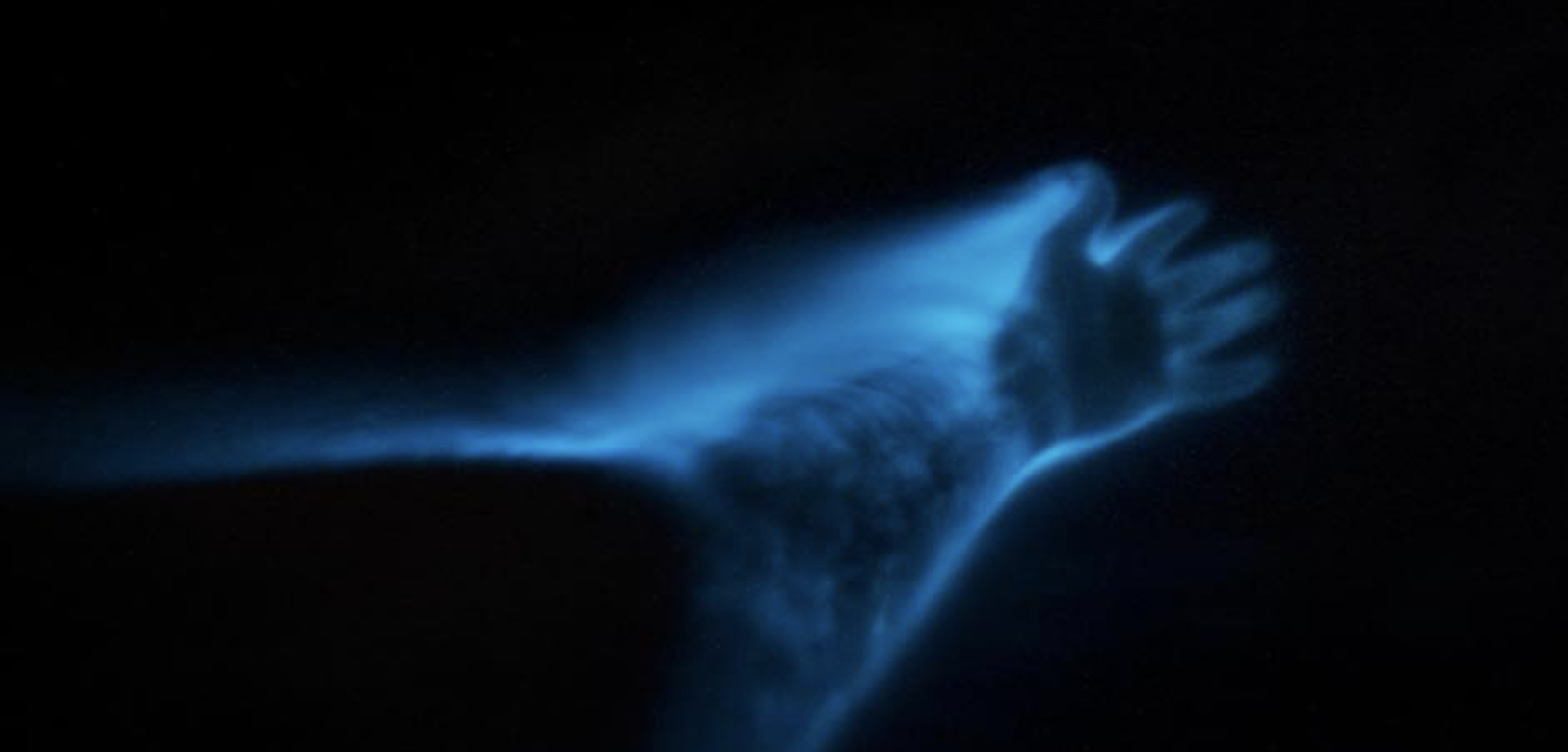
The light in Laguna Grande is made by an organism thinner than a human hair. Pyrodinium bahamense, a dinoflagellate, converts stored chemical energy through a luciferin–luciferase reaction and answers pressure with a flash lasting under a second. Concentrated in the millions, that reflex turns a single paddle stroke into a blue seam. Puerto Rico holds three bioluminescent bays. Travellers searching for a La Parguera Bioluminescent Bay Tour From San Juan most often finish the night at Laguna Grande, inside the Reserva Natural Cabezas de San Juan in Fajardo, some 50 kilometres east of the capital. Geography does the work. A narrow mangrove channel, several hundred metres long and shadowed the whole way by red mangrove, links the lagoon to the fishing hamlet of Las Croabas and the open Atlantic beyond it. That bottleneck slows the exchange of water, holding salinity and temperature within the narrow range the dinoflagellate tolerates. Mangrove litter feeds it further: decaying leaves release vitamin B12, a nutrient the organism cannot manufacture for itself. Remove the mangroves and the glow fades. The dependency explains why the bahía bioluminiscente is managed as an ecosystem rather than an attraction. The reserve around it covers roughly 316 acres and packs seven ecosystems into that ground — dry forest, mangrove, lagoon, beach, cliff, coral reef and seagrass. Above them stands El Faro, the Spanish colonial lighthouse completed in 1882 and among the oldest still operating on the island. The Conservation Trust of Puerto Rico acquired the headland in 1975, and the reserve runs today under its Para la Naturaleza arm. Hurricane María tore through in September 2017; restoration of trails and structures continued for years afterward. Most La Parguera Bioluminescent Bay Tour From San Juan tours still launch from the public channel at Las Croabas rather than from the reserve's own shoreline. What the lagoon offers now is measurable rather than merely scenic. Marine biologists read dinoflagellate density as a proxy for estuary health, and light pollution from Fajardo's marinas and coastal development remains the chief pressure on it. Motorised craft are restricted on the lagoon, so the water is worked almost entirely by kayak — a constraint that shaped the whole local industry. Demand for La Parguera Bioluminescent Bay Tour From San Juan tickets has grown alongside that shift toward low-impact access, and the survival of the glow now depends less on visitor numbers than on how dark the sky above Las Croabas is allowed to remain.
"Remove the mangroves and the glow fades."
A step-by-step walkthrough of the visit — what you'll see, how long each stage takes, and the details that matter.
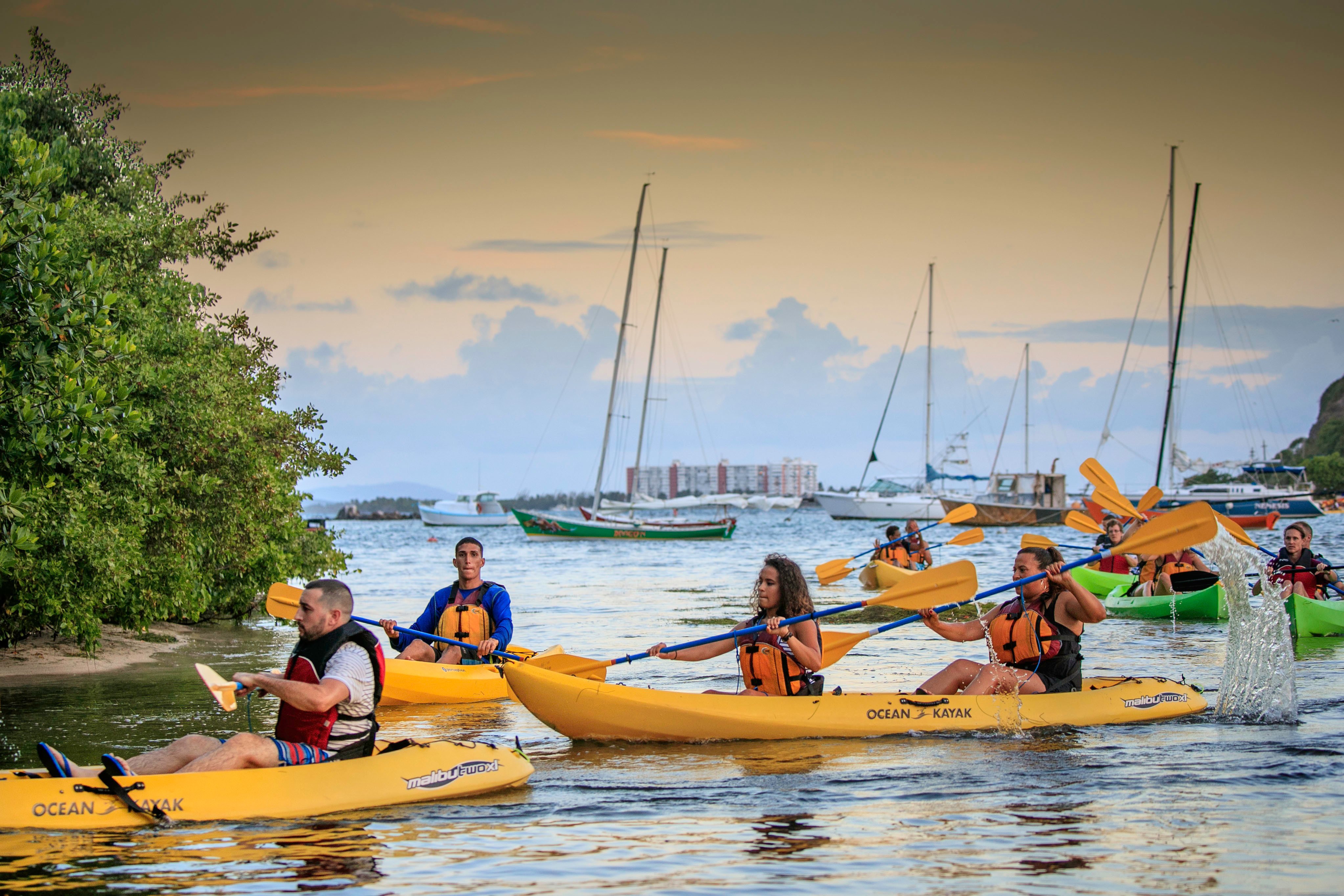
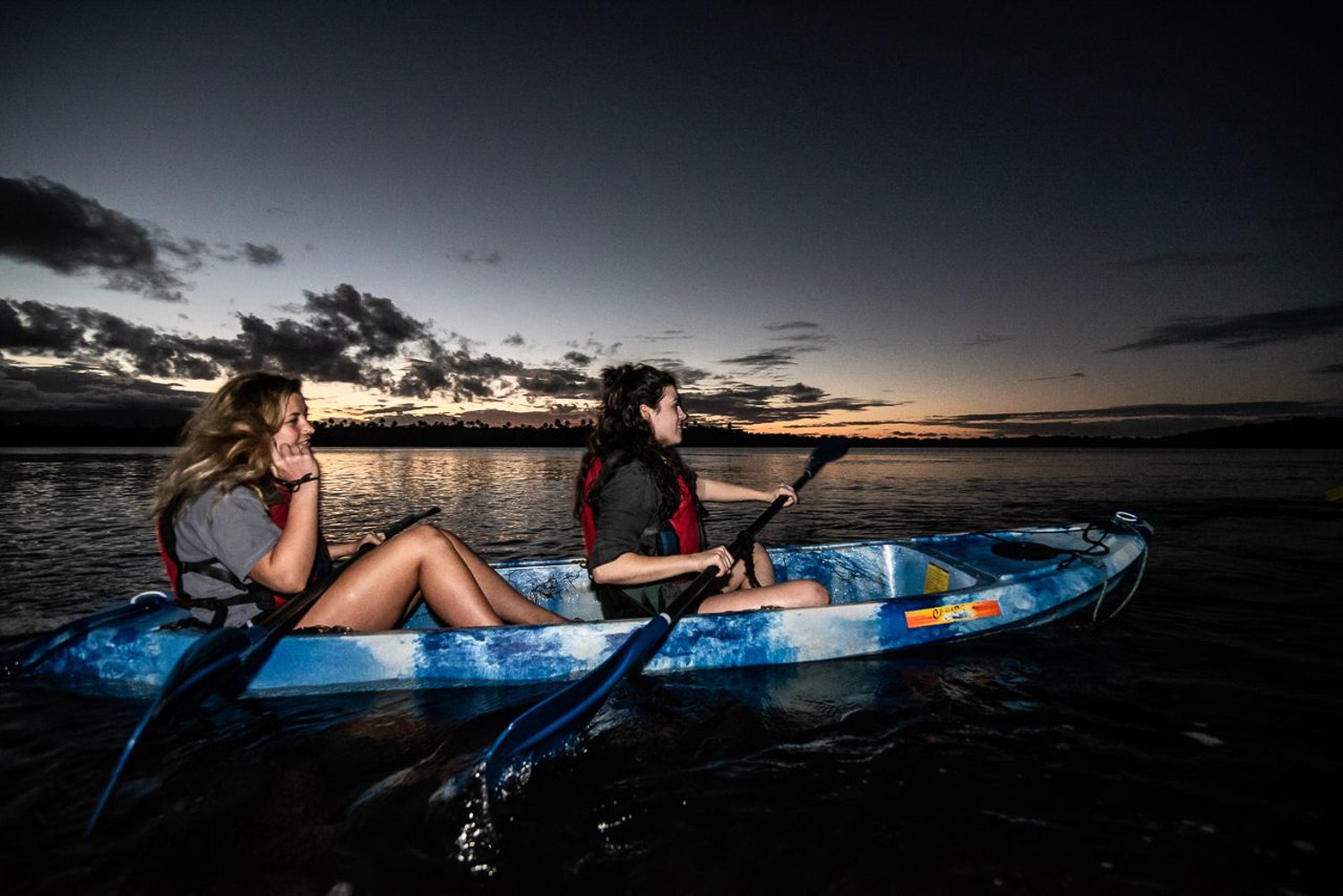
You meet your guide beside the boat ramp at Las Croabas, where the fishing skiffs are already tied off and the lot smells of fried alcapurrias. Someone fits you for a life vest, hands you a double-bladed paddle, and runs through the two signals that matter on the water: raft up, and stop. Your kayak goes in stern-first. The first two hundred metres are open water and forgiving. Then the channel narrows. Red mangrove closes overhead until the sky is a ragged strip, and you learn to steer by feel — bumping hulls, ducking the low branches your guide calls back from the front of the line. Roots scrape the plastic. Nobody talks much. The lagoon opens without warning. Headlamps go off. You trail a hand and the water lights beneath it, cold blue, gone in a second, back with the next stroke. Fish leave streaks like fuses. On a Fajardo night kayak tour the guide rafts the group together here, kills every remaining light, and lets you sit in it. Whatever you were told about a La Parguera Bioluminescent Bay Tour From San Juan tour, the sound is the part nobody mentions: paddles dripping, mangrove crabs ticking in the roots, and a whole group gone quiet at once.
Laguna Grande is open daily from 00:00 to 23:59. The best arrival window is 19:30–21:00, when darkness helps bioluminescence show more clearly.
Because the experience is a kayak or boat tour into a natural channel, accessibility is limited. The launch, paddling, and nighttime conditions are not a good fit for most wheelchair users.
Use a small bag and expect to keep valuables protected from splashes. Bright lights, loose electronics, and other distracting items can interfere with the night experience and are poor choices for this setting.
Yes, but low-light photos are hard to capture because the attraction is viewed in darkness. A waterproof phone case or dry bag is a smart choice, and flash should be avoided if your guide asks for darkness.
Moonless nights are best, because the glow is easier to see when the sky is darker. The official guidance says the effect is better appreciated at night, especially when the moon is low or absent.
Wear quick-dry clothes and water-friendly shoes. A light jacket can help after sunset because you are on the water at night in Fajardo.
Small personal drinks and water are the safest choice, but the bio bay itself is not a dining area. Avoid messy food, glass, and anything that could spill in the kayak or boat.
From San Juan, most travelers book a guided transfer or drive to Fajardo, then head to Reserva Natural Cabezas de San Juan at Carr. 987 Km. 5.9. Parking depends on the operator and the launch point near Las Croabas or the reserve access area.
Yes, but suitability depends on the operator’s age and safety rules. Because the outing is after dark and often involves paddling, it is better for children who can sit still and follow guide instructions.
Refund terms depend on the specific operator and live booking inventory. The attraction’s 5 USD conservation fee is separate, so check whether your booked product includes it or charges it separately.